Retro Treasure Chest Laser Cut Vintage Guide
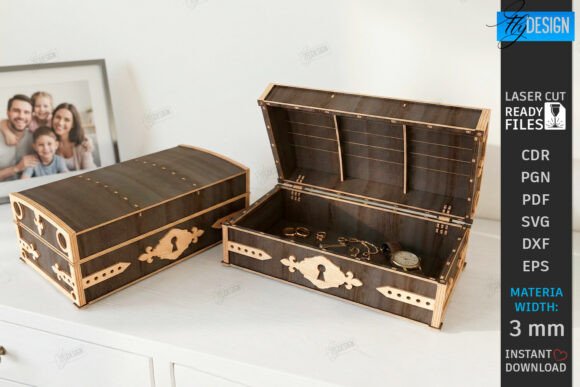
There is a distinct charm in objects that evoke nostalgia, particularly when they are crafted with precision and care. The Retro Treasure Chest Laser Cut Vintage design captures this essence perfectly, blending the adventurous spirit of pirate lore with the intricate aesthetics of steampunk machinery. For makers, crafters, and small business owners, this digital asset is more than just a file; it is a gateway to creating tangible, high-value physical products that resonate with customers on an emotional level.
Whether you are looking to create unique gift boxes for weddings, develop inventory for an Etsy shop, or simply enjoy a rewarding weekend project, understanding how to leverage this specific laser cut pattern can significantly enhance your output. This guide explores the practical applications, technical considerations, and creative potential of the Retro Treasure Chest Laser Cut Vintage Decorative Box, ensuring you get the most out of your laser cutting machine.
Understanding the Design Appeal
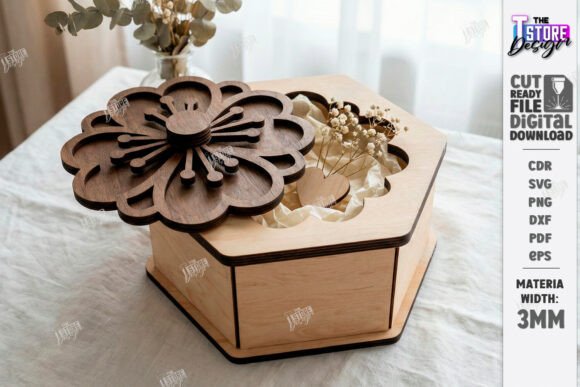
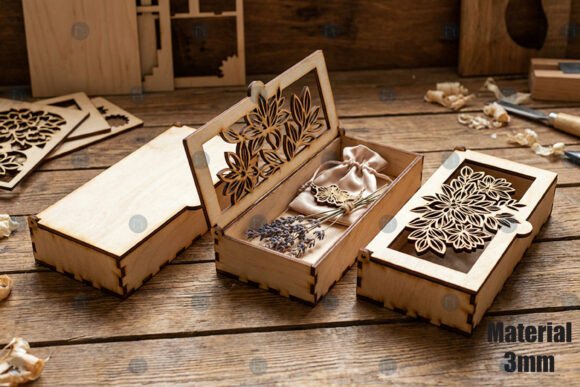
The allure of the Retro Treasure Chest Laser Cut Vintage lies in its detailed geometry. Unlike simple box designs, this pattern incorporates complex interlocking joints and decorative elements that mimic antique hardware, rivets, and ornate framing. These features are not merely aesthetic; they serve a structural purpose, adding rigidity to the final assembly while providing ample surface area for engraving.
This design is specifically optimized for 3mm plywood, a standard material in the laser cutting community due to its affordability, ease of cutting, and natural wood grain beauty. The contrast between the darkened edges created by the laser burn and the light interior of the plywood enhances the vintage look, making each piece feel authentically aged even when freshly made.
Key Characteristics and File Compatibility
One of the strongest advantages of this digital product is its versatility across different software ecosystems. The archive includes SVG, EPS, PNG, PDF, and DXF files, ensuring compatibility with most major laser cutting platforms. However, experienced users know that not all file formats behave equally.
- DXF Files: Highly recommended for users of Lightburn. DXF formats tend to maintain dimensional accuracy better than SVGs in certain software environments, preventing the distortion that can ruin a precise fit.
- SVG Files: Ideal for vector-based design software like Adobe Illustrator or CorelDRAW before importing to your laser software.
- PNG Files: Useful for previewing the design or for raster engraving references, though not suitable for cutting paths.
A critical technical detail to remember is the color coding embedded in the design: RED lines indicate CUT paths, while BLACK lines indicate ENGRAVE areas. This separation streamlines the workflow, allowing you to set up your job quickly without manually assigning operations to each vector line. Always verify these settings in your specific software before starting the job, as defaults can vary.
Practical Applications for Creators and Businesses
The utility of the Retro Treasure Chest Laser Cut Vintage extends far beyond a simple container. Its thematic flexibility makes it suitable for various markets and occasions.
Commercial Product Development
For entrepreneurs selling on platforms like Etsy or at local craft fairs, this box serves as an excellent premium packaging solution. Jewelry makers can use it to house handmade rings or necklaces, elevating the perceived value of the item inside. The "treasure" aspect creates an unboxing experience that customers love to share on social media, providing organic marketing for your brand.
Event Favors and Weddings
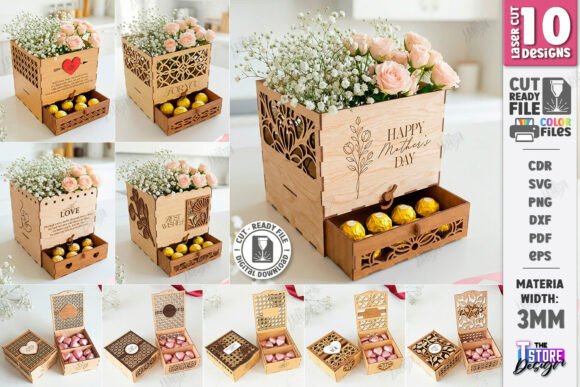
Wedding planners and couples often seek unique favors that double as keepsakes. A miniaturized version of this chest can hold chocolates, seeds, or small trinkets. The vintage aesthetic aligns well with rustic, bohemian, or historical-themed weddings. By personalizing the lid with the couple’s names and date via laser engraving, you transform a generic box into a cherished memory.
Educational and Hobbyist Projects
Educators teaching STEM or art classes can use this project to demonstrate principles of 3D construction from 2D plans. It teaches students about tolerance, joint fitting, and the importance of precise measurements. For hobbyists, it offers a satisfying build process that results in a functional storage item for coins, dice, or crafting supplies.
Maximizing Quality and Efficiency
To ensure your Retro Treasure Chest Laser Cut Vintage projects turn out professionally, consider these practical tips during implementation:
- Material Selection: Stick to high-quality 3mm plywood. Avoid materials with excessive voids or knots, as these can cause uneven cutting or burning. Birch plywood is often preferred for its clean layers and consistent density.
- Test Cuts: Before committing to a full sheet, perform a test cut on a scrap piece of the same material. Check the fit of the tabs and slots. If the fit is too tight, adjust the kerf width in your software; if too loose, you may need to compensate for material thickness variations.
- Software Settings: As noted, if you are using Lightburn, prioritize the DXF file to avoid dimension distortion. Always double-check that the scale is set to 100% or "actual size" upon import.
- Engraving Depth: Adjust the power and speed settings for the black engrave lines to achieve a contrast that complements the wood tone. Too much power can char the wood excessively, while too little may result in a faint image.
Enhancing User Experience and Branding
Incorporating the Retro Treasure Chest Laser Cut Vintage into your product line can significantly boost brand engagement. The tactile nature of wood combined with the visual intrigue of the steampunk/pirate design invites interaction. Customers are more likely to retain and reuse these boxes compared to disposable packaging, keeping your brand visible in their homes for years.
Furthermore, the ability to customize the engraving allows for deep personalization. You can offer services to add monograms, logos, or special messages, turning a standard product into a bespoke gift. This level of customization is a key driver in modern consumer preferences, where uniqueness is valued over mass production.
Final Thoughts on Implementation
The Retro Treasure Chest Laser Cut Vintage Decorative Box is a robust digital asset that bridges the gap between traditional craftsmanship and modern manufacturing technology. Its well-structured files, clear cut/engrave distinctions, and timeless design make it a reliable choice for both novice and experienced laser operators.
By paying attention to file format selection—particularly opting for DXF in Lightburn—and choosing the right materials, you can consistently produce high-quality items that delight recipients and drive business growth. Whether used for storage, gifting, or display, this pattern offers a versatile foundation for creative expression.
If you encounter any issues with file compatibility or require specific adjustments such as different PNG colors or sizes, reaching out to the creator is a viable option. Engaging with the designer can also provide insights into future releases, helping you stay ahead in trends. For those ready to expand their portfolio, integrating this vintage-inspired design is a strategic move that combines aesthetic appeal with functional utility.
Remember, the success of any laser-cut project lies in the details. Take the time to refine your settings, respect the material, and appreciate the craftsmanship inherent in the Retro Treasure Chest Laser Cut Vintage pattern. Your attention to detail will reflect in the final product, creating pieces that are not just objects, but stories waiting to be told.