Strategic Branding with the COWBOY BOOT Patch Embroidery Design
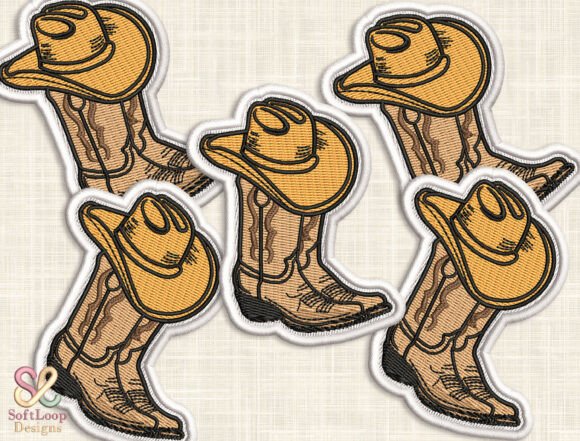
In the landscape of modern branding and product differentiation, visual assets often serve as the primary conduit for communicating identity. The COWBOY BOOT Patch Embroidery Design represents more than a mere aesthetic choice; it is a strategic tool for businesses and creators looking to anchor their products in themes of durability, heritage, and authentic craftsmanship. When deployed with intention, this specific imagery—a classic tan leather boot detailed with western filigree and topped with a golden-yellow hat—can significantly influence consumer perception and brand positioning.
For entrepreneurs, marketers, and small business owners, the decision to integrate such a distinct motif should never be random. It requires a clear understanding of the narrative you wish to convey. This design, characterized by its rugged frontier spirit and premium 3D embossed look via a thick white satin-stitch border, signals a commitment to quality and tradition. Whether you are curating a line of boutique apparel or enhancing corporate merchandise, leveraging this asset effectively demands a plan that aligns with your broader operational goals.
Defining the Strategic Value of Western Iconography
The utility of the COWBOY BOOT Patch Embroidery Design extends beyond its immediate visual appeal. In a market saturated with minimalist and digital-first aesthetics, there is a growing consumer appetite for tangible, textured elements that evoke nostalgia and reliability. This design captures the adventurous spirit of the frontier, making it an ideal vehicle for brands that wish to position themselves as resilient, trustworthy, and grounded.
From a communication standpoint, the intricate details matter. The fine stitching that mimics leather textures and the merrowed edge finish provide a tactile experience that flat printing cannot replicate. For decision-makers, this translates to higher perceived value. When a customer interacts with a garment featuring this high-quality embroidery, the physical depth and texture reinforce the notion of premium quality. This is crucial for sectors like outdoor gear, artisanal goods, and lifestyle brands where the story of the product is as important as its function.
Furthermore, the versatility of this design allows for cross-industry application. It is not limited to traditional western wear. A tech startup focusing on rugged hardware might use it to symbolize durability. A coffee roaster could employ it to suggest a "rough around the edges" but refined flavor profile. The key lies in recognizing that the iconic western duo of the boot and hat serves as a universal shorthand for hard work and authenticity.
Planning Implementation for Maximum Impact
Successful integration of the COWBOY BOOT Patch Embroidery Design begins with rigorous planning. Before committing to production, stakeholders must evaluate the target audience and the specific context in which the patch will appear. Randomly applying this design to unrelated products can dilute brand message and confuse customers. Instead, approach the deployment as a calculated move to enhance brand equity.
Consider the following strategic phases when incorporating this asset:
- Audience Alignment: Determine if your demographic resonates with country music, ranching culture, or the broader "workwear" trend. If your core customers value heritage and manual craftsmanship, this design is a high-yield investment.
- Product Suitability: Assess the material compatibility. The design's thick satin-stitch border works best on sturdy fabrics like denim, canvas, and heavy cotton. Using it on delicate silks or thin synthetics may compromise the structural integrity of the garment and the patch itself.
- Placement Strategy: Decide whether the patch will serve as a central logo, a subtle accent on a pocket, or a customizable element for DIY kits. Each placement sends a different signal regarding the product's hierarchy and focus.
For educators and content creators, this design offers a practical case study in thematic consistency. When developing course materials or merchandise for a community centered around agriculture, history, or vocational skills, the visual language must support the educational mission. A well-placed patch can turn a standard tote bag into a badge of membership and shared values.
Operational Considerations and Quality Control
From an operations perspective, the choice of embroidery over other decoration methods impacts supply chain logistics and cost structures. The COWBOY BOOT Patch Embroidery Design, engineered as a professional-style patch, requires precise manufacturing to maintain the clarity of the filigree and the crispness of the white border. Poor execution can result in a muddy appearance that undermines the intended premium feel.
Business owners must vet suppliers who can deliver the specific "3D embossed look" described in the design specifications. This often involves higher thread counts and specialized backing materials. While the initial unit cost may be higher than a screen-printed alternative, the longevity and wash-durability of embroidered patches often result in better long-term ROI due to reduced return rates and higher customer satisfaction.
Additionally, consider the logistics of application. Are these patches being pre-applied during manufacturing, or are they sold as separate SKUs for end-user customization? The latter opens up revenue streams related to DIY culture, appealing to hobbyists who enjoy personalizing denim jackets, vests, and hats. This model shifts some of the labor to the consumer while increasing engagement and emotional investment in the final product.
Risks of Contextual Misalignment
While the potential benefits are significant, relying on the COWBOY BOOT Patch Embroidery Design without a clear strategic framework carries risks. The most prominent danger is cultural misappropriation or tonal dissonance. If a brand known for ultra-modern, sleek urban fashion suddenly introduces rustic western imagery without a coherent narrative bridge, it may appear inauthentic or opportunistic.
There is also the risk of market saturation. The western aesthetic has cyclical popularity. Decision-makers must analyze current trends to ensure they are not entering a declining phase of the cycle. However, because this specific design focuses on classic, timeless elements rather than fleeting fads, it possesses a degree of insulation against rapid obsolescence. The focus on "traditional western filigree" and "classic tan leather" anchors it in history rather than temporary hype.
Another operational risk involves inventory management. Custom embroidered patches often have minimum order quantities (MOQs). Overestimating demand can lead to dead stock, while underestimating can cause fulfillment delays. Accurate forecasting based on pre-orders or pilot testing is essential to mitigate these financial exposures.
Practical Applications Across Industries
To illustrate the versatility of this design, consider these realistic use cases where strategic planning yields tangible results:
- Boutique Retailers: A clothing store specializing in vintage-inspired workwear can use the patch to create a signature line of denim jackets. By limiting the run and highlighting the hand-finished quality, they create scarcity and exclusivity.
- Event Management: Organizers of music festivals or agricultural fairs can utilize the design for staff uniforms or VIP merchandise. It fosters a sense of team unity and provides attendees with a high-value souvenir that reinforces the event's theme.
- Corporate Gifting: Companies in the energy, construction, or logistics sectors can gift branded gear featuring this patch to long-term employees. It acknowledges their hard work and aligns with the industrial, rugged nature of their daily operations.
- Educational Programs: Vocational schools teaching trades can incorporate the patch into graduation kits or lab coats, symbolizing the transition from student to skilled practitioner.
In each scenario, the COWBOY BOOT Patch Embroidery Design acts as a focal point for storytelling. It transforms a generic item into a meaningful object through association with the values of the frontier: independence, resilience, and skill.
Long-Term Brand Building and Customer Experience
Ultimately, the goal of using such a distinctive design is to foster long-term loyalty. When customers perceive that a brand pays attention to detail—evidenced by the clean lines and rich textures of a high-quality embroidery patch—they are more likely to trust the brand with larger purchases. The tactile nature of the patch invites interaction; customers touch it, examine the stitching, and appreciate the craftsmanship. This physical engagement creates a stronger memory trace than passive visual consumption.
For bloggers and publishers, documenting the process of integrating this design can serve as valuable content. Sharing behind-the-scenes looks at the embroidery process, the selection of threads, and the testing of durability builds transparency and authority. It demonstrates a commitment to quality that resonates with discerning audiences.
Moreover, the adaptability of the design supports iterative innovation. Once the base design is established, variations can be introduced for different seasons or collaborations without losing the core brand recognition. Perhaps a version with different thread colors for a holiday release, or a scaled-down version for accessories like beanies and caps. This flexibility ensures the asset remains relevant and productive over time.
Conclusion: Intentionality as the Key to Success
The COWBOY BOOT Patch Embroidery Design is a powerful asset, but its power is unlocked only through intentional application. It is not a magic solution for poor product-market fit, nor is it a substitute for sound business strategy. However, when aligned with clear goals, understood within the context of the target audience, and executed with high operational standards, it can significantly elevate a brand's presence.
Decision-makers should approach this design with the same rigor they apply to financial planning or market analysis. Define the objective, assess the fit, plan the rollout, and monitor the outcomes. By treating visual elements as strategic levers rather than decorative afterthoughts, businesses can achieve better results, deeper customer connections, and a more resilient market position. In the wild west of modern commerce, having the right tools—and knowing how to use them—is what separates the survivors from the rest.