Evaluating the LION Patch Embroidery Design for Children's Projects
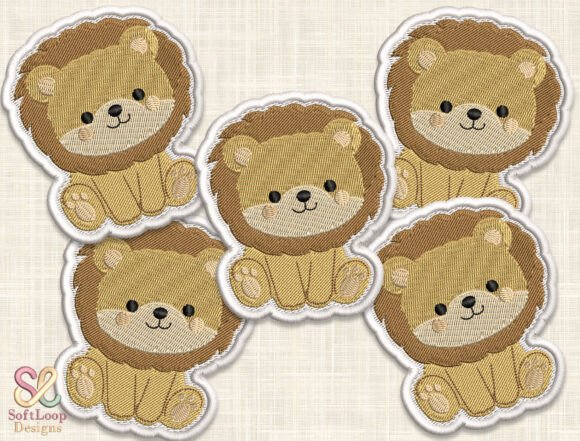
When selecting digital assets for embroidery projects, particularly those intended for children, the balance between aesthetic appeal and technical execution is paramount. The LION Patch Embroidery Design represents a specific category of digitized artwork engineered to mimic the look of a professional, merrowed-edge patch. This design features a stylized baby lion characterized by wide eyes, a textured mane, and rosy cheeks, all enclosed within a thick white satin-stitch border. For hobbyists, small business owners, and parents looking to personalize items, understanding the nuances of this specific design type is essential before committing to production.
Understanding the Design Characteristics
The core appeal of the LION Patch Embroidery Design lies in its simulation of a physical appliqué or woven patch without the need for separate fabric backing. Unlike standard fill stitches that sit flat against the garment, this design utilizes dense satin columns and specialized underlay techniques to create a raised, three-dimensional effect. The "merrowed" edge—a looped border often seen on scout badges or high-end brand labels—is recreated here through digital stitching patterns. This gives the finished product a premium, tactile quality that stands out from typical flat embroidery.
Visually, the design leans into a soft, nursery-friendly aesthetic. The color palette typically focuses on warm golden tones for the mane and face, contrasted sharply by the clean white border. This high-contrast approach ensures visibility on various fabric colors, though it is most effective when placed on medium-to-dark backgrounds where the white border can pop. The facial expression is deliberately gentle, avoiding the fierce imagery often associated with adult lion motifs, making it specifically suitable for infant and toddler applications.
Practical Benefits and Applications
There are several practical reasons why an embroiderer might choose this specific design over a standard outline or fill motif. The primary benefit is the perceived value it adds to the final product. Items featuring patch-style embroidery often command higher price points in retail settings or are viewed as more significant gifts due to their textured finish. Because the design includes its own border, it eliminates the need for the user to cut and sew separate fabric patches, streamlining the production process while maintaining a professional look.
This design is particularly well-suited for:
- Nursery Decor: The warm tones and soft features align perfectly with modern jungle-themed rooms, working well on pillowcases, wall hangings, or blanket corners.
- Personalized Apparel: It serves as an excellent focal point for baby onesies, bibs, and toddler t-shirts, offering a durable graphic that withstands washing better than some heat transfers.
- Accessory Embellishment: The compact nature of the design makes it ideal for hats, diaper bags, and tote bags where a bold but cute statement is desired.
Technical Considerations and Tradeoffs
While the visual results of the LION Patch Embroidery Design are often impressive, there are technical tradeoffs that users must evaluate. The density required to achieve the 3D embossed look and the thick satin border means this design will use significantly more thread than a standard sketch-style embroidery. Consequently, stitch counts may be higher, leading to longer run times on the machine. For those producing items in bulk, this increased cycle time can impact overall throughput.
Furthermore, the stiffness of the finished embroidery is a critical factor. Dense satin stitches and heavy underlay create a stiffer hand feel compared to lighter fill designs. On delicate fabrics like thin muslin or lightweight rayon, this stiffness could cause puckering or discomfort against a baby's skin. To mitigate this, users should consider the following:
- Stabilizer Selection: Using a high-quality cut-away stabilizer is often necessary to support the weight and density of the patch-style stitching, preventing distortion over time.
- Fabric Weight: This design performs best on medium-weight cottons, denim, corduroy, or fleece. It may be too heavy for sheer fabrics or very fine knits.
- Needle and Thread Choice: To prevent thread breaks during the dense satin columns, using a fresh needle appropriate for the fabric and high-sheen polyester thread is recommended to reduce friction.
When to Choose Alternatives
Despite its strengths, the LION Patch Embroidery Design is not the optimal choice for every scenario. If the goal is to create a garment with a soft, breathable drape where the embroidery should be barely noticeable to the touch, a redwork or light fill alternative would be superior. Similarly, if the project involves a very small hoop size or a curved surface that is difficult to stabilize, the rigidity of a patch-style design might lead to registration issues or fabric gathering.
Additionally, for users operating older embroidery machines with limited processing power or smaller memory capacities, the high stitch count associated with simulating a merrowed edge might cause slowdowns or require file splitting. In cases where speed is the primary constraint, such as last-minute gift crafting or high-volume school orders, a simplified line-art version of a lion might offer a more efficient workflow.
Making the Right Decision
Ultimately, determining whether the LION Patch Embroidery Design aligns with your goals depends on the intended function of the finished item. If the priority is durability, visual impact, and a professional boutique appearance, this design offers a compelling solution. Its ability to mimic a sewn-on patch while being executed in a single hooping process provides a unique blend of efficiency and style.
However, if comfort and fabric drape are the highest priorities, or if you are working with delicate materials, careful testing on scrap fabric is advised before committing to the final project. By weighing the aesthetic benefits against the technical requirements of thread usage and fabric compatibility, embroiderers can ensure that this majestic motif enhances their projects without compromising quality. Whether used for a cherished family heirloom or a commercial product line, understanding these variables ensures the "King of the Jungle" reigns supreme in your crafting endeavors.