Mastering the Use of Boy Soccer Field Digital Papers for Professional Results
In the world of digital design and print-on-demand, finding the right asset can make or break a project. Boy Soccer Field Digital Papers have emerged as a versatile resource for creators looking to infuse their work with energy, movement, and thematic relevance. These high-resolution graphics are not merely background images; they are foundational elements that can elevate sublimation projects, scrapbooks, and custom merchandise. However, simply downloading a file is not enough to guarantee professional results. Many creators overlook critical technical details and usage rights, leading to pixelated prints, color mismatches, and wasted resources. Understanding how to properly select and apply these digital assets is essential for anyone aiming to produce high-quality, marketable designs.
Understanding the Value of High-Resolution Assets
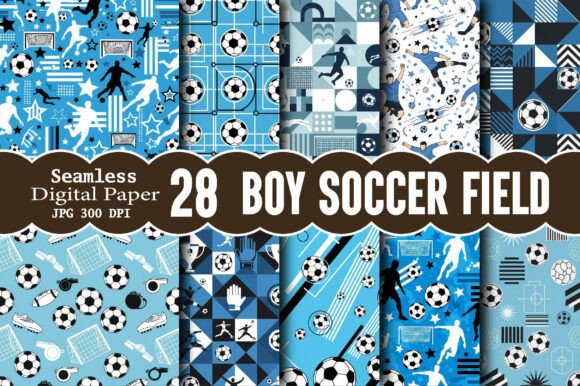
The primary appeal of this collection lies in its versatility and quality. Delivered in 300 DPI JPG format, these seamless patterns are engineered for clarity and detail. For those unfamiliar with print standards, DPI (dots per inch) is a crucial metric. A resolution lower than 300 DPI often results in blurry or jagged edges when printed, especially on larger items like tumbler wraps or wind spinners. The seamless nature of these soccer field designs means they can be tiled infinitely without visible breaks, creating a continuous, immersive background that looks professionally manufactured rather than digitally patched.
These visuals cater to a broad spectrum of creative needs. Whether you are designing eye-catching tumbler wraps, exhilarating wind spinner motifs, or personalized stationery, the vibrant greens and crisp white lines of a soccer field provide a dynamic backdrop. They are particularly effective for livening up product photography backgrounds on e-commerce websites or setting an energetic tone for social media posts targeting sports enthusiasts. However, the potential extends beyond simple decoration. These patterns serve as captivating bases for invitations, from baby showers celebrating a future athlete to birthday parties for young fans. For DIY enthusiasts, they offer a sturdy groundwork for junk journals, paper crafts, and even 3D crafting projects where texture and continuity matter.
Common Mistakes in Selection and Application
Despite the high quality of these assets, several common pitfalls can undermine their effectiveness. One frequent error is ignoring the aspect ratio and scale of the final product. A pattern that looks perfect on a square Instagram post may appear distorted or awkwardly cropped when applied to a cylindrical mug or a rectangular t-shirt. Creators often fail to preview how the seamless tile interacts with the curvature of the object, leading to disjointed visuals where the grass lines do not align correctly.
Another significant oversight involves color management. Digital screens display colors in RGB (Red, Green, Blue), while most printers use CMYK (Cyan, Magenta, Yellow, Key/Black). The vibrant neon greens of a soccer field on your monitor may print as dull or muddy if not properly calibrated. Many beginners skip the step of converting their files or adjusting saturation levels for print, resulting in products that look nothing like the digital proof. This discrepancy can lead to customer dissatisfaction and increased return rates for small business owners.
Additionally, there is a misunderstanding regarding licensing and usage rights. Some creators assume that purchasing a digital paper grants them unlimited commercial rights without restrictions. While many collections allow for commercial use, it is vital to read the specific terms. Using these designs in ways that violate the license, such as reselling the digital file itself rather than a physical end product, can lead to legal issues. Always verify whether the license covers mass production or if there are limits on the number of units you can sell.
Practical Advice for Optimal Results
To avoid these pitfalls, start by always checking the resolution and dimensions before beginning your design. Ensure that the 300 DPI specification is maintained throughout your editing process. If you are resizing the image in software like Photoshop or Canva, do so carefully to prevent pixelation. For large-format prints like banners or wall decals, consider testing a small section first to verify clarity.
When dealing with color discrepancies, invest time in learning basic color profile management. Use soft-proofing tools in your design software to simulate how colors will appear when printed. If possible, order a physical sample from your print provider before launching a full product line. This small upfront cost can save you from costly mistakes later. For sublimation projects, remember that the fabric type and heat press settings also influence the final color output. Test different materials to see how the soccer field pattern interacts with various textures.
Regarding layout, take advantage of the seamless nature of the files. When wrapping designs around cylindrical objects like tumblers or mugs, ensure that the horizontal lines of the soccer field align perfectly at the seam. Use grid lines and guides in your design software to map out the wrap accurately. For flat items like invitations or scrapbook pages, consider layering the soccer field pattern with other elements such as text boxes, player silhouettes, or trophy icons to create depth and focus. Do not let the busy pattern overwhelm the main message; use opacity adjustments or overlay shapes to ensure readability.
Expanding Your Creative Horizons
Beyond traditional printables, these digital papers offer unique opportunities for niche markets. For instance, homemade soap and candle labels benefit greatly from the fresh, outdoor aesthetic of a soccer field. The green tones evoke freshness and energy, which can be appealing for sport-themed gift sets. When designing these labels, ensure that the text contrasts sharply against the background. Using white or bold black fonts with a slight drop shadow can help legibility against the textured grass.
For educators and coaches, these graphics can be used to create engaging classroom materials, reward charts, or team banners. The visual appeal of a realistic soccer field can motivate young athletes and add a professional touch to team communications. When using these for educational purposes, consider adding interactive elements like cut-out players or goal markers to enhance engagement.
Ultimately, the key to success with Boy Soccer Field Digital Papers lies in attention to detail and respect for technical standards. By avoiding common mistakes in resolution, color management, and layout, you can transform these digital assets into stunning, professional-grade products. Whether you are a seasoned designer or a hobbyist looking to personalize a gift, taking the time to understand the nuances of digital printing will ensure that your final creations are both visually striking and technically sound. Embrace the versatility of these seamless patterns, experiment with different applications, and always prioritize quality in every step of your creative process.