Create a Layered Snowflake Ornament
The magic of the holiday season often lies in the details. While store-bought decorations offer convenience, they rarely capture the personal touch that makes a home feel truly festive. This is where the Layered Snowflake Ornament shines. It is not merely a decoration; it is a project that bridges the gap between digital design and tangible art. By utilizing a 3D layered cut file, crafters can transform flat sheets of material into intricate, dimensional pieces that catch the light and draw the eye.
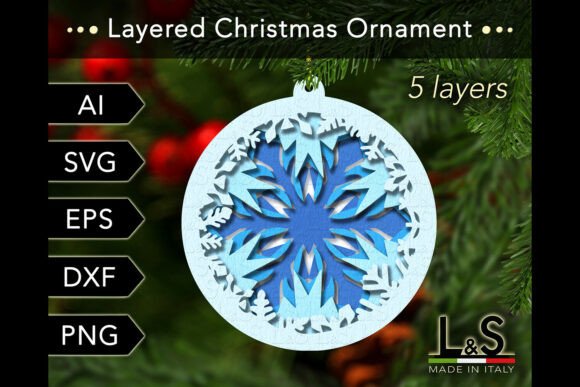
Whether you are a seasoned maker with a workshop full of tools or a beginner holding your first cutting machine, this specific type of ornament offers a unique blend of accessibility and sophistication. The concept is straightforward: five distinct layers are cut and stacked to create depth. However, the execution allows for endless creativity, making it a versatile choice for various skill levels and intentions.
Understanding the Design Structure
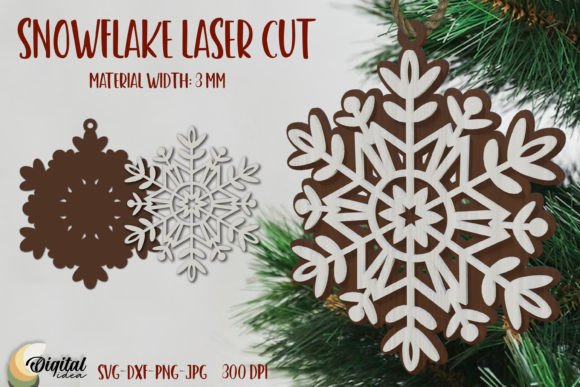
At its core, this project relies on precision layering. The download typically includes a set of files designed to be scalable, usually starting at a manageable 4x4 inches (10x10 cm). This size is ideal for standard Christmas trees, ensuring the ornament is visible without overwhelming the branches. The design consists of five separate layers. When assembled, these layers create a shadow effect that gives the snowflake its three-dimensional appearance.
The versatility of the file formats is a critical component of its appeal. A comprehensive package will include AI, SVG, EPS, DXF, and PNG files. This ensures compatibility across a wide spectrum of hardware and software. For instance, users of Adobe Illustrator can work directly with the AI or EPS files, while those using Cricut Design Space or Silhouette Studio will rely on the SVG or DXF formats. The inclusion of high-resolution PNGs also allows for printing options, though cutting remains the primary method for achieving the desired 3D effect.
Why Beginners Will Appreciate the Simplicity
For those new to crafting, the term "layered" might sound intimidating. However, this specific snowflake design is structured to be forgiving. The primary advantage for beginners is the clarity of the process. There is no complex weaving or intricate folding required. The task is simply to cut five shapes and stack them in order.
Beginners often prioritize ease of use and low risk of failure. With this project, even if one layer is slightly misaligned, the overall aesthetic remains charmingly handmade. Furthermore, the ability to use paper as a starting material lowers the barrier to entry. Paper is inexpensive and easy to cut, allowing novices to practice assembly techniques without wasting costly materials like wood or acrylic. The provided PDF instructions serve as a safety net, guiding users through extraction and assembly steps, which reduces the anxiety often associated with trying new digital files.
The Professional Maker’s Perspective on Efficiency
For professional creators and small business owners, time is a commodity. During the holiday rush, efficiency becomes the top priority. A Layered Snowflake Ornament that is ready to cut eliminates the hours spent designing vector paths from scratch. The pre-made files are optimized for cutting machines, meaning fewer stray nodes and cleaner cuts.
Professionals also look for scalability and commercial viability. Since the files are scalable, a creator can produce a large batch of 4-inch ornaments for tree decorations and then scale the same design up to create larger wall hangings or window decals. The ability to switch materials quickly is another significant benefit. A professional might cut a batch in plywood for a rustic market stall and another in mirrored acrylic for a modern boutique, all from the same digital file. This flexibility maximizes the return on investment for the digital purchase.
Educators and the Value of Structured Creativity
In an educational setting, whether in a K-12 classroom or a community workshop, instructors need projects that are engaging but manageable within a limited timeframe. This snowflake ornament fits that niche perfectly. It teaches several key concepts: spatial awareness, following sequential instructions, and basic material handling.
For educators, the inclusive nature of the file formats means that students with different access to technology can participate. Those with access to laser cutters can use the DXF or AI files, while others can use hand-cutting methods with the printed PDF templates. The project also offers a lesson in geometry and symmetry. By discussing how the five layers interact to create depth, teachers can integrate STEM concepts into an art project. The tangible result provides a sense of accomplishment that boosts student confidence.
Hobbyists and the Joy of Material Experimentation
Hobbyists often seek projects that allow for personal expression and experimentation. The Layered Snowflake Ornament serves as an excellent canvas for testing different materials. While paper is the standard starting point, the design supports plywood, MDF, acrylic, and plexiglass. Each material changes the character of the final piece entirely.
Consider the difference in outcome. A snowflake cut from white cardstock feels traditional and delicate. The same design cut from birch plywood exudes warmth and rustic charm. If cut from translucent acrylic, it becomes a modern suncatcher that plays with light. Hobbyists enjoy this trial-and-error process. They might experiment with combining materials, such as using a wooden base layer with transparent acrylic top layers, to create unique visual effects. The 300 DPI PNG files included in the package also allow for printing patterns onto the material before cutting, adding another layer of customization.
Technical Considerations for Best Results
To ensure the best outcome, regardless of your audience category, understanding the technical requirements is essential. First, always extract the ZIP file completely before attempting to open any components. Trying to run files directly from a compressed folder can lead to corruption or software errors.
When selecting materials, consider the thickness. For a 5-layer design, using material that is too thick can make the ornament bulky and difficult to hang. Thin plywood (around 3mm) or standard cardstock works best. If using a laser cutter, ensure the power settings are adjusted for each material type to avoid charring edges, which can ruin the clean look of the layers. For blade-based machines like Cricut or Silhouette, using a sharp blade and appropriate mat grip is crucial for intricate cuts.
Assembly requires patience. Use a strong adhesive suitable for your chosen material. PVA glue works well for paper and wood, while epoxy or super glue may be necessary for acrylics. Aligning the center points of each layer is key to maintaining the symmetry of the snowflake. Some crafters find it helpful to use a light box or a window to see through the layers during assembly, ensuring perfect alignment.
Deciding if This Project Fits Your Goals
Ultimately, the value of this Layered Snowflake Ornament depends on your specific goals. If you are looking for a quick, low-cost activity to do with children, stick to paper and focus on the fun of stacking. If you are building a product line for holiday sales, invest time in perfecting the finish with high-quality woods or acrylics and consider packaging them as premium decor items. For educators, focus on the process and the learning outcomes rather than the perfection of the final product.
The availability of multiple file formats ensures that almost anyone with a cutting machine or even just a printer can participate. The scalability means the design can grow with your skills. Whether you are creating a single ornament for your own tree or hundreds for a community event, this design offers a reliable, attractive, and flexible solution. It transforms a simple digital download into a cherished physical object, embodying the spirit of creation that defines the holiday season.